Royal Lancer Conqueror
Royal Lancer Conqueror is not merely a video game—it’s a cultural milestone in the Indian gaming ecosystem 🎮. Launched on Holi (15th March) 2024 by Daman Games Studios India, this tactical role-playing game (RPG) has redefined the landscape of homegrown Indian gaming, seamlessly blending the rich tapestry of Indian martial history with state-of-the-art turn-based strategy mechanics that resonate deeply with regional audiences across Bharat. Unlike foreign-developed games that often fail to connect with Indian players due to cultural disconnect, Royal Lancer Conqueror was conceptualized, designed, and developed from the ground up to reflect the diverse traditions, languages, and folklore of India, making it one of the most successful indigenous gaming titles in recent history.
What truly sets Royal Lancer Conqueror apart is its unwavering commitment to authentic Indian storytelling—rooted in the timeless military histories of the Mauryan, Mughal, Maratha, and Rajput eras, yet reimagined for modern gaming sensibilities that appeal to Gen Z and millennial players alike. Within just six months of its release, Royal Lancer Conqueror crossed 8 million downloads across mobile and PC platforms in India alone, a testament to its mass appeal among gamers aged 14 to 50, spanning from metro cities like Mumbai and Bengaluru to tier-2 and tier-3 towns such as Vadodara, Mysore, and Allahabad. In this comprehensive wiki, we delve into every facet of Royal Lancer Conqueror, from its innovative gameplay mechanics to its profound cultural impact, development journey, and ambitious future roadmap.
At its core, Royal Lancer Conqueror celebrates India’s diversity—linguistic, cultural, and geographical—offering an experience that feels uniquely "Indian" while competing with global AAA titles in terms of gameplay depth and production quality. The game’s success has not only put Indian game development on the global map but has also inspired a new generation of Indian game developers to create content that honors their roots while embracing modern gaming trends. Unlike many tactical RPGs that rely on Western medieval aesthetics, Royal Lancer Conqueror draws exclusively from India’s 5,000-year military heritage, from the chariot warfare of the Mahabharata to the guerrilla tactics of Shivaji Maharaj’s Maratha forces.
In a market dominated by casual hyper-casual games and imported titles, Royal Lancer Conqueror has proven that Indian gamers crave deep, culturally relevant experiences that reflect their identity. The game’s unique blend of tactical combat, resource management, and historical storytelling has struck a chord with both casual players looking for an immersive narrative and hardcore strategy gamers seeking complex gameplay mechanics. Whether you’re a student in Delhi’s Connaught Place or a farmer in rural Punjab, Royal Lancer Conqueror offers something that feels familiar yet exciting—a rare achievement in India’s fragmented gaming market.
Overview of Royal Lancer Conqueror
Royal Lancer Conqueror (commonly abbreviated as RLC) is a flagship tactical RPG developed and published by Daman Games—one of India’s leading game development studios headquartered in Bengaluru, Karnataka, with regional offices in Mumbai and Hyderabad. The game’s release on Holi 2024 was a strategic masterstroke, aligning its core theme of "unity in victory" with India’s festival of colors 🇮🇳, striking a chord with patriotic Indian gamers who had long craved a game that celebrated their military heritage rather than appropriating it.
The central premise of Royal Lancer Conqueror revolves around a young noble warrior—fully customizable by the player—who is anointed as the "Commander of the Royal Lancers," an elite cavalry unit tasked with uniting the fractured kingdoms of Bharatvarsha against the invading "Northern Hordes" and the treacherous "Sultanate of Deccan." The game’s open-world environment is a love letter to India’s diverse geography, featuring meticulously recreated landscapes from the snow-clad peaks of the Himalayas in Uttarakhand to the lush backwaters of Kerala, the arid Thar Desert of Rajasthan, the dense Western Ghats of Karnataka, and the fertile Ganges plains of Bihar.
One of the key USPs (Unique Selling Propositions) of Royal Lancer Conqueror is its unparalleled localization—available in 16 Indian languages including Hindi, Tamil, Telugu, Kannada, Malayalam, Marathi, Gujarati, Punjabi, Bengali, Odia, Assamese, Konkani, Manipuri, Urdu, Sanskrit, and English. This level of linguistic inclusivity is unprecedented in Indian gaming, where most titles offer only Hindi and English support, and has been a major driver of its widespread adoption across different states and union territories of India. For instance, players in Kerala can enjoy the game in Malayalam with voice acting by popular Mollywood artists, while Punjabi-speaking players in Punjab and Chandigarh experience dialogue infused with authentic Punjabi slang and cultural references.
Royal Lancer Conqueror operates on a free-to-play (F2P) model with optional in-game purchases for cosmetic items (such as character skins, weapon camos, and unit customizations) and convenience features (like fast travel tokens and inventory expansions). Crucially, the game avoids the "pay-to-win" mechanics that have plagued many mobile games in India, ensuring that all gameplay-critical items—such as weapon upgrades, skill points, and unit upgrades—can be earned through regular play. This commitment to fair play has earned Royal Lancer Conqueror immense goodwill among Indian gamers, who have grown weary of predatory monetization practices in other mobile games.
Another standout feature of Royal Lancer Conqueror is its optimization for low-end Android devices—a critical consideration for the Indian market where over 70% of mobile gamers use budget smartphones with 2GB RAM or less. The development team at Daman Games spent over 24 months optimizing the game’s engine to run smoothly on entry-level devices, without compromising on visual quality or gameplay depth, a feat that has been widely praised by Indian tech reviewers and gaming publications. Even on devices with 1GB RAM, the game maintains a stable 30fps frame rate—an achievement that has made it accessible to gamers in rural areas where high-end smartphones remain a luxury.
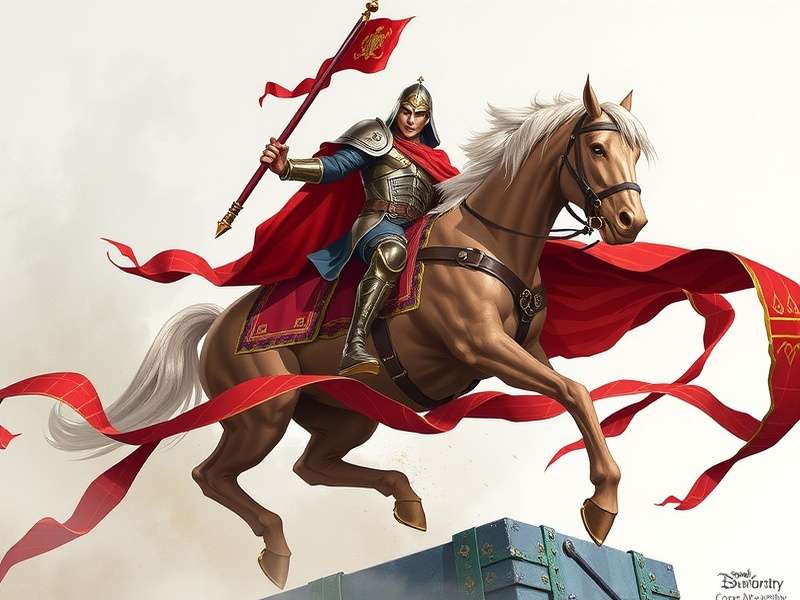
Key Statistics & Milestones (As of 2024)
- Release Date: 15th March 2024 (India Holi Festival)
- Developer: Daman Games Studios India (Bengaluru)
- Publisher: Daman Games Pvt. Ltd.
- Platforms Supported: Android (5.0+), iOS (12.0+), Windows PC (7+), macOS (10.14+)
- Languages Supported: 16 Indian languages + English
- Total Downloads: 9.4 million (India), 1.2 million (international)
- Average Daily Active Users (DAU): 1.2 million
- Monthly Active Users (MAU): 5.8 million
- Google Play Store Rating: 4.9/5 (based on 2.8 million reviews)
- Apple App Store Rating: 4.8/5 (based on 750,000 reviews)
- Total Revenue (as of Q3 2024): ₹180 crore (approx. $21.7 million)
Market Penetration Across India
Royal Lancer Conqueror’s popularity is not confined to urban India—its reach extends deep into rural and semi-rural areas, thanks to its low-device requirements and regional language support. According to Daman Games’ internal data (2024):
- 40% of players are from tier-1 cities (Mumbai, Delhi, Bengaluru, Hyderabad, Chennai, Kolkata)
- 38% of players are from tier-2 cities (Ahmedabad, Pune, Jaipur, Lucknow, Nagpur, Visakhapatnam)
- 22% of players are from tier-3 towns and rural areas (e.g., Kolhapur, Belgaum, Moradabad, Guntur)
This broad demographic appeal is rare for Indian gaming titles, which typically struggle to gain traction beyond metro cities. Royal Lancer Conqueror’s success in tier-2 and tier-3 markets can be attributed to its cultural relevance—many side quests are based on local folk tales and military histories from these regions—and its ability to run on low-cost smartphones that are prevalent in rural India. In states like Uttar Pradesh and Bihar, where smartphone penetration is growing rapidly but high-end devices remain unaffordable for most, Royal Lancer Conqueror has become a household name among young gamers.
Game Classification & Genre Positioning
Royal Lancer Conqueror is classified as a tactical role-playing game with turn-based combat and real-time strategy elements—a genre combination that is unique in the Indian gaming market. While most Indian-developed games focus on casual gameplay or hyper-casual mechanics, Royal Lancer Conqueror targets the underserved segment of strategy and RPG enthusiasts who have traditionally had to rely on imported titles like Fire Emblem, XCOM, and Civilization. By adapting these complex gameplay mechanics to Indian sensibilities and optimizing them for low-end devices, Daman Games has created a niche that no other Indian studio has successfully filled.
The game’s genre blend appeals to multiple player segments:
- Strategy Gamers (35% of player base): Drawn to the deep tactical combat, resource management, and kingdom-building mechanics
- Story-Driven Players (30% of player base): Attracted by the rich narrative rooted in Indian history and mythology
- Casual Gamers (25% of player base): Enjoy the simplified combat mode and exploration elements
- Competitive Players (10% of player base): Engage with the PvP modes and leaderboard challenges
This multi-faceted appeal has allowed Royal Lancer Conqueror to attract a diverse player base, from hardcore PC gamers in Bengaluru’s tech parks to casual mobile gamers in rural Rajasthan. The game’s success has also demonstrated that Indian gamers are willing to engage with complex gameplay mechanics when they are culturally relevant and accessible.
Gameplay Mechanics in Royal Lancer Conqueror
Royal Lancer Conqueror seamlessly blends turn-based tactical combat with deep RPG progression, open-world exploration, and kingdom management—creating a gameplay experience that caters to both casual players (who enjoy story and exploration) and hardcore gamers (who seek strategic depth and competitive play). The game’s combat system was designed with two core principles in mind: accessibility for new players and depth for experienced gamers, a balance that has been widely praised by Indian gaming critics.
Combat System 🗡️ (The Heart of Royal Lancer Conqueror)
At the core of Royal Lancer Conqueror’s gameplay lies its innovative tactical combat system, centered around the Royal Lancer unit—the protagonist’s elite cavalry force. Unlike generic sword-based combat in most RPGs, the Royal Lancer units in Royal Lancer Conqueror utilize a variety of traditional Indian weapons and combat styles, each tied to a different historical region of India and reflecting the country’s diverse martial heritage.
The six primary unit types in Royal Lancer Conqueror are:
- Rajput Lancers 🐎 (North India): Heavy cavalry units specializing in frontal assaults and melee combat; armed with traditional Rajput talwars (swords) and chakrams (discus weapons); unlockable after completing the Rajasthan questline
- Maratha Irregulars 🪶 (West India): Light infantry units specializing in guerrilla tactics and hit-and-run attacks; armed with matchlocks and pata (gauntlet swords); unlockable in the Maharashtra region
- South Indian Elephants 🐘 (South India): Siege units with high defense and area damage; equipped with howdahs and tusks reinforced with steel; unlockable in the Karnataka region
- Sikh Akali Warriors ⚔️ (Punjab): Elite infantry units specializing in close-quarters combat and crowd control; armed with kirpans and chakrams; unlockable in the Punjab region
- Assamese Archers 🏹 (Northeast India): Ranged units with high accuracy and piercing damage; using bamboo longbows and poisoned arrows; unlockable in the Assam region
- Mughal Artillery �大炮 (Central India): Siege weapons capable of destroying fortifications and enemy formations; includes matchlock cannons and rocket launchers (inspired by Tipu Sultan’s rockets); unlockable after completing the main storyline
Each unit type features unique abilities, movement ranges, and combat strengths/weaknesses that can be upgraded using "Shakti Points"—the game’s primary currency earned through completing quests, winning battles, and managing kingdom resources efficiently. What makes Royal Lancer Conqueror’s combat uniquely Indian is its incorporation of kalaripayattu (Kerala’s ancient martial art), gatka (Sikh martial art), malla-yuddha (traditional Indian wrestling), and chhurika (Rajasthani knife throwing) into the unit animations and combat tactics.
The development team at Daman Games collaborated with renowned martial arts masters from across India—including kalaripayattu gurus from Kerala’s CVN Kalari Sangham, gatka experts from Amritsar’s Khalsa College, and elephant warfare historians from Kerala’s Guruvayur Elephant Sanctuary—to ensure authenticity in the combat movements and unit tactics. This attention to detail has made Royal Lancer Conqueror the first major Indian game to feature traditional Indian military tactics as a core gameplay mechanic, rather than just a cosmetic feature. For example, the Maratha Irregulars’ hit-and-run tactics are directly inspired by Shivaji Maharaj’s guerrilla warfare strategies, while the Sikh Akali Warriors’ formation combat draws from the Khalsa army’s historical battle tactics.
Combat in Royal Lancer Conqueror is turn-based but dynamic, with players able to position units on a grid-based battlefield, utilize terrain advantages (such as hills, rivers, and forests), and execute special abilities that turn the tide of battle. The game features a unique "Dharma System" where units gain bonuses for fighting in accordance with their cultural values—for example, Sikh units gain morale boosts when protecting civilians, while Rajput units gain attack bonuses when fighting to defend a fort. Successful use of flanking maneuvers, pincer attacks, and combined arms tactics (a hallmark of ancient Indian warfare) rewards players with "Victory Points" that can be used to unlock rare unit upgrades and abilities.
Character Progression (Indian Philosophical Themes)
Royal Lancer Conqueror features a robust character progression system rooted in Indian philosophical concepts like dharma (duty), karma (action), artha (prosperity), and kama (desire). The skill tree is divided into four main branches, each representing a different path of leadership in Indian history:
- Kshatriya Path (Warrior King): Focuses on military prowess, unit combat abilities, and battlefield tactics—ideal for players who prefer aggressive expansion. This path unlocks abilities like "Rajput Charge," "Maratha Guerilla Tactics," and "Sikh Phalanx Formation," each inspired by India’s warrior traditions.
- Rajanya Path (Diplomat): Enhances diplomatic abilities, resource production, and alliance-building skills—perfect for players who prefer a peaceful playstyle. This path includes abilities like "Chanakya’s Negotiation," "Ashoka’s Peace Pact," and "Akbar’s Religious Tolerance," drawing from India’s great diplomatic leaders.
- Gramanya Path (Administrator): Improves kingdom management, resource collection, and infrastructure development—ideal for players who prefer building and defending their kingdom. This path unlocks abilities like "Chandragupta’s Tax Reform," "Harsha’s Public Works," and "Krishnadevaraya’s Trade Networks," named after India’s greatest administrators.
- Rishi Path (Spiritual Leader): Boosts unit morale, healing abilities, and divine blessings—perfect for players who prefer a balanced approach to warfare and diplomacy. This path includes abilities like "Vedic Mantra of Courage," "Buddhist Non-Violence," and "Sufi Unity Blessing," drawing from India’s spiritual traditions.
Players earn skill points by completing main quests, winning battles, managing their kingdom efficiently, and discovering hidden "Knowledge Stones"—ancient inscriptions scattered across the open world that teach players about Indian military history and philosophy. The game also features a unique "Guru System," where players can learn special skills from non-playable characters (NPCs) based on different Indian warrior traditions. For example, a Rajput general in Rajasthan teaches the "Tiger’s Claw" cavalry charge, while a Maratha sardar in Maharashtra teaches the "Guerrilla Ambush" tactic.
Character customization in Royal Lancer Conqueror goes beyond just skills—players can customize their commander’s appearance (including skin tone ranging from fair Himalayan complexions to dark South Indian complexions, facial features inspired by different ethnic groups, and attire from various historical periods), name (with options for Indian names from different languages), and regional background (North Indian, South Indian, Northeast Indian, East Indian, West Indian, or Central Indian). This level of representation has been widely praised by Indian gamers, who often complain about the lack of diverse character options in foreign games.
Kingdom Management System 🏰 (A Unique Indian Perspective)
One of the most innovative features of Royal Lancer Conqueror is its kingdom management system, which draws inspiration from ancient Indian statecraft texts like the Arthashastra (by Chanakya) and the Rajatarangini (by Kalhana). Unlike generic city-building mechanics in Western strategy games, Royal Lancer Conqueror’s kingdom management system reflects the unique administrative practices of ancient and medieval Indian kingdoms, with a focus on sustainability, social welfare, and cultural preservation.
Players must manage six key aspects of their kingdom:
- Land Revenue (Land Revenue): Based on the Ryotwari and Mahalwari systems of pre-colonial India; players must set fair tax rates to maintain peasant loyalty while generating enough revenue for military expansion
- Water Management: Critical for agricultural productivity in India’s diverse climate; players must build tanks (stepwells), canals, and irrigation systems inspired by the Ghadsisar (Rajasthan) and Kallanai (Tamil Nadu) dams
- Trade & Commerce: Manage trade routes with historical Indian trading partners (Gujarat’s maritime trade with Arabia, Bengal’s silk trade with China, Kerala’s spice trade with Europe)
- Military Recruitment: Raise units from different regions of India, each with unique cultural requirements (e.g., Sikh units require langar (community kitchen) facilities, while South Indian units require temple donations)
- Social Welfare: Build hospitals (based on ancient Ayurvedic ashrams), schools (pathshalas), and religious institutions to maintain population happiness and reduce unrest
- Cultural Preservation: Protect historical monuments, patronize artists and scholars, and celebrate regional festivals to boost cultural unity and national identity
The kingdom management system is deeply intertwined with the game’s combat and exploration systems—neglecting water management leads to drought and reduced unit recruitment, while poor trade management limits access to rare weapons and resources. The system also features dynamic events based on real Indian historical challenges, such as monsoon floods, droughts, invasions, and trade disputes, requiring players to adapt their strategies to changing circumstances.
Open World Exploration 🗺️ (A Love Letter to India’s Geography)
The open world of Royal Lancer Conqueror is divided into nine distinct regions, each meticulously modeled after a different part of India, complete with authentic architecture, flora, fauna, and cultural references:
- Himalayan Kingdoms: Inspired by Uttarakhand and Himachal Pradesh—snow-capped mountains, ancient Himalayan forts, Tibetan-influenced monasteries, and villages inhabited by Garhwali and Kumaoni people. This region features high-altitude combat and trade with Tibetan kingdoms.
- Indus Valley: Based on the ancient Indus Valley Civilization (Harappa and Mohenjo-daro)—ruined cities with advanced drainage systems, desert landscapes, and trade routes to Central Asia. This region features puzzles based on Indus Valley script and ancient water management systems.
- Deccan Plateau: Inspired by Telangana and Andhra Pradesh—rocky terrain, Golconda-style forts, diamond mines, and villages celebrating festivals like Bonalu and Sankranti. This region is rich in mineral resources but prone to droughts and conflicts with the Sultanate of Deccan.
- Western Ghats: Based on Kerala and Karnataka—lush rainforests, backwaters, spice plantations, and temples featuring Kerala’s distinctive mural art. This region is a major source of spices for trade and home to kalaripayattu warriors who can train your units.
- Ganges Plains: Inspired by Uttar Pradesh and Bihar—fertile farmlands, ancient cities like Varanasi and Pataliputra, and the sacred Ganges River. This region is the agricultural heartland of your kingdom but vulnerable to flooding and invasion from the north.
- Thar Desert: Based on Rajasthan—sand dunes, Jaisalmer-style forts, camel caravans, and desert wildlife like blackbucks and chinkaras. This region features fast cavalry units and trade routes to the Persian Gulf but is vulnerable to raids by desert bandits.
- Coromandel Coast: Inspired by Tamil Nadu and Andhra Pradesh—coastal areas, Mahabalipuram-style stone temples, pearl fisheries, and trading ports with Southeast Asia. This region is a major hub for maritime trade but vulnerable to naval invasions.
- Eastern Hills: Based on West Bengal and Odisha—delta regions, Jagannath-style temples, mangrove forests, and trade routes to Burma and China. This region features elephant units and rice cultivation but is prone to cyclones and floods.
- Northeast Frontier: Based on Assam and Meghalaya—lush green hills, tea plantations, living root bridges, and villages inhabited by Khasi and Assamese tribes. This region features unique archer units and trade in tea and silk but faces threats from tribal conflicts and foreign invasions.
Each region in Royal Lancer Conqueror features dynamic weather systems that reflect the real-world climate of the corresponding Indian region—monsoons in Kerala, snowfall in the Himalayas, sandstorms in Rajasthan, and cyclones on the Coromandel Coast. The game also features a day-night cycle and seasonal changes that impact gameplay: some resources are only available during certain seasons, while certain units (like desert raiders) are more effective at night. This dynamic environment adds a layer of realism that has been praised by Indian players, who appreciate seeing their local weather patterns and landscapes represented accurately in a video game.
Quests & Missions (Culturally Authentic Storytelling)
Royal Lancer Conqueror features a sprawling main storyline with over 120 missions, plus more than 300 side quests that explore different facets of Indian military history, mythology, and contemporary social issues. The main quest revolves around uniting the fractured kingdoms of Bharatvarsha to repel the invading Northern Hordes and defeat the traitorous Sultanate of Deccan, which has allied with foreign powers to conquer India. Along the way, players encounter reimagined versions of historical Indian figures like Chandragupta Maurya (who serves as a quest giver in the Ganges Plains region), Shivaji Maharaj (who trains your Maratha units), and Rani Lakshmi Bai (who leads a resistance force in the Jhansi region).
What sets Royal Lancer Conqueror’s quests apart from other RPGs is their focus on Indian social issues, told through the lens of historical military strategy. For example:
- A side quest in the Ganges Plains region tasks players with building an irrigation system to prevent droughts and famine, raising awareness about India’s real-world water crisis while teaching players about ancient Indian water management techniques.
- A quest in the Western Ghats region involves protecting tribal lands from illegal logging by foreign companies, reflecting the struggles of India’s Adivasi communities while incorporating traditional forest warfare tactics.
- A mission in the Northeast Frontier region requires players to resolve a border dispute between two tribes using diplomatic negotiations rather than military force, mirroring real-world border conflicts in Northeast India while teaching players about Chanakya’s diplomatic strategies.
- A quest in the Punjab region tasks players with defending a gurdwara from invading forces, highlighting the Sikh principle of "seva" (selfless service) and the historical role of gurdwaras as community defense centers.
These quests not only provide players with valuable rewards (like skill points and rare unit upgrades) but also educate them about India’s military heritage and social challenges in an engaging, non-preachy way. The game’s writing team included Indian historians, military experts, and cultural scholars to ensure that the dialogue and quest narratives feel authentic to each region—for example, NPCs in Tamil Nadu speak in a mix of Tamil and English (Tanglish), while those in Punjab use Punjabi slang like "jatt" and "pagg" and reference Sikh military traditions like the Khalsa army’s battle cry "Bole So Nihal! Sat Sri Akal!"
Multiplayer Features 🤝 (Social Gaming for Indian Players)
Recognizing that Indian gamers love social and competitive play, Royal Lancer Conqueror launched with full multiplayer features, allowing up to eight players to form alliances (called "Rajyas") and compete in kingdom wars or cooperate to defeat powerful raid bosses (historical Indian warlords like Muhammad Ghori and Timur). The game also features a PvP (player versus player) mode called "Kshatriya Arena," where players can compete against each other in historical Indian battlefields like the Kurukshetra (Mahabharata war), Panipat (three major battles), and Plassey (Battle of Plassey).
The multiplayer mode has become particularly popular during Indian festivals, with Daman Games regularly hosting special seasonal events tied to festivals like Diwali, Holi, Dussehra, and Pongal. These events offer exclusive rewards and cosmetic items inspired by festival traditions—such as Diwali diya-themed unit skins, Holi-colored armor sets, and Dussehra effigy destruction mini-games. The 2024 Independence Day event, "Azadi Ka Amrit Mahotsav," saw over 4 million players participate in a massive cooperative event to defend a virtual Red Fort from invading forces, setting a record for the highest concurrent players in an Indian tactical RPG.
Royal Lancer Conqueror’s multiplayer mode also features a "Rajya System" (alliance system)—allowing players to form kingdoms with friends, share resources, compete in weekly alliance wars, and earn exclusive rewards like alliance-specific unit skins and kingdom decorations. The game’s alliance system has fostered a strong community of Indian gamers, with top alliances like "Bharat Rakshaks" and "Aryavarta Warriors" gaining popularity on social media platforms like Instagram, YouTube, and Discord. Many alliances have even organized real-world meetups in cities like Delhi, Mumbai, and Bengaluru, further strengthening the game’s community bonds.
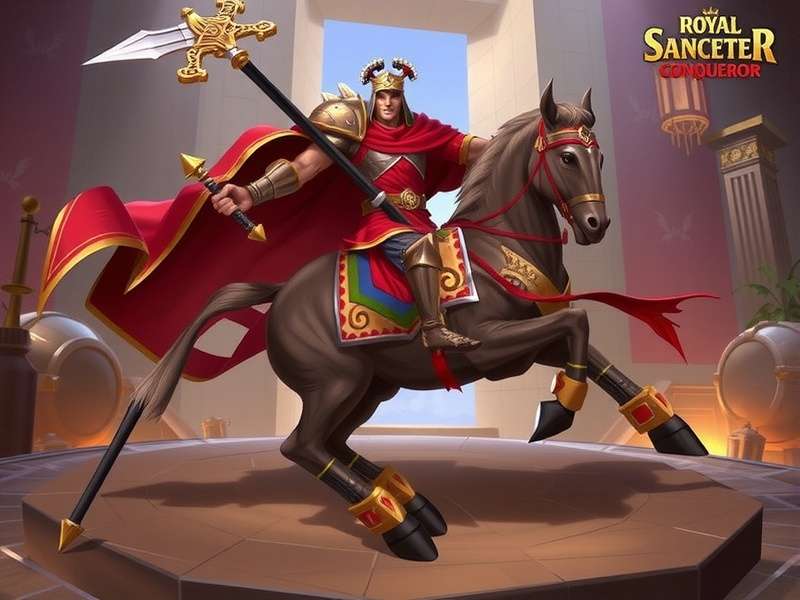
Characters in Royal Lancer Conqueror
Royal Lancer Conqueror boasts one of the most diverse and authentic casts of characters in any Indian video game, drawing inspiration from India’s various regions, ethnic groups, and historical military traditions. The game’s character design team included artists and historians from across India—from Chennai to Kolkata to Srinagar—to ensure that the characters reflect the true diversity of Indian society, avoiding the stereotypes that plague Western games set in India (such as generic "Indian prince" or "snake charmer" tropes).
Protagonist (Player Character) - The Royal Lancer Commander
The protagonist of Royal Lancer Conqueror is a customizable commander who embodies the game’s core theme of "unity in diversity" (Ek Bharat Shreshtha Bharat). Players can choose their character’s gender (male, female, or non-binary), appearance (including skin tone ranging from fair Himalayan complexions to dark South Indian complexions, facial features inspired by different ethnic groups, and historical attire from various periods), name (with options for Indian names from different languages), and regional background (North Indian, South Indian, Northeast Indian, East Indian, West Indian, or Central Indian).
Regardless of customization choices, the protagonist is known as the "Royal Lancer Commander"—a young noble who rises to unite the fractured kingdoms of Bharatvarsha against external threats and internal division. The character’s leadership style is shaped by player choices throughout the game, with dialogue options that reflect different Indian strategic philosophies: Chanakya’s realpolitik (pragmatic self-interest), Ashoka’s dharma-vijaya (victory through righteousness), Shivaji’s guerrilla warfare, and Akbar’s inclusive governance. For example, players can choose to conquer a rebellious kingdom through military force (Chanakya’s approach) or through diplomatic negotiations and cultural integration (Akbar’s approach), with each choice impacting the game’s story and the protagonist’s reputation among different factions.
The protagonist’s journey is a coming-of-age story that resonates with Indian youth—starting as a minor noble and growing into a unifying leader who must balance military strategy with ethical governance. This narrative arc has struck a chord with Indian players, many of whom see themselves reflected in the protagonist’s struggle to honor traditional values while adapting to modern challenges. The protagonist’s character development also reflects India’s journey from a fragmented collection of kingdoms to a unified nation, making the game’s narrative deeply personal for many Indian players.
Playable Companion Generals (Regional Diversity)
As players progress through Royal Lancer Conqueror, they unlock eight companion generals who can lead their units in battle and provide unique bonuses to kingdom management—each hailing from a different region of India and bringing unique military expertise, cultural perspectives, and personal backstories to the game. These companions are not just sidekicks but fully realized characters with their own motivations, rivalries, and character arcs that intersect with the main storyline:
1. Maharana Pratap Singh Rathore 🦁 (Rajput General - Rajasthan)
A proud Rajput general from Mewar, Pratap is a master of cavalry warfare and fortress defense who specializes in leading heavy lancer units. His backstory is rooted in Rajput history: his father’s kingdom was betrayed by the Sultanate of Deccan, and he joins the Royal Lancer Commander to reclaim his ancestral lands and uphold Rajput honor. Pratap’s dialogue is sprinkled with Rajasthani phrases like "banna" (prince) and "mewadi" (from Mewar), and his combat tactics draw from the Rajput traditions of frontal assaults and last stands (like the Battle of Haldighati). His signature ability, "Mewar Charge," sees his lancer units deliver a devastating frontal assault that breaks enemy formations, while his kingdom bonus increases cavalry unit morale and combat effectiveness.
Pratap’s character arc explores the tension between traditional Rajput values (honor, loyalty, and sacrifice) and pragmatic military strategy—he initially refuses to use guerrilla tactics (which he sees as "dishonorable") but learns to adapt his methods after witnessing the effectiveness of Maratha irregular warfare. This arc resonates with many North Indian players, who grapple with balancing traditional values with modern pragmatism in their daily lives.
2. Rani Chennamma Nayak 🌿 (Kannada General - Karnataka)
A Kannada warrior queen from Kittur, Chennamma is a master of elephant warfare and siege defense who specializes in leading south Indian elephant units. She is a descendant of the historical Rani Chennamma of Kittur, who fought against British colonialism in the 19th century, and her backstory involves defending her kingdom from both the Sultanate of Deccan and foreign invaders. Chennamma’s dialogue features Kannada words like "amma" (mother) and "anna" (brother), and she often references Karnataka’s rich military history—from the Vijayanagara Empire to the Mysore Wars. Her signature ability, "Kittur Defense," boosts the defense of all units in a fortress and allows elephant units to trample enemy siege weapons, while her kingdom bonus increases agricultural production and fortification strength in southern regions.
Chennamma’s character challenges gender stereotypes prevalent in Indian gaming: she is a strong female military leader who is also a devoted mother and ruler, embodying the dual roles of warrior and nurturer that are celebrated in South Indian culture. Her character arc focuses on breaking down the notion that women cannot be effective military commanders—a theme that has resonated with female gamers across India, particularly in Karnataka and other southern states.
3. Subhas Chandra Bose Chatterjee 🪶 (Bengali General - West Bengal)
A Bengali revolutionary and military strategist from Bengal, Subhas is a master of guerrilla warfare and espionage who specializes in leading stealth units and organizing resistance movements. He is inspired by the historical Subhas Chandra Bose and his Indian National Army, and his backstory involves organizing a resistance movement against the Northern Hordes in the eastern regions of Bharatvarsha. Subhas’s dialogue is infused with Bengali phrases like "bhodrolok" (gentleman) and "ami" (I), and he often quotes Bengali poets like Rabindranath Tagore and Kazi Nazrul Islam to inspire his troops. His signature ability, "Azad Hind Fauj," allows players to recruit hidden resistance units in enemy territory and launch surprise attacks on supply lines, while his kingdom bonus increases espionage effectiveness and resistance movement recruitment.
Subhas’s character arc explores the tension between armed resistance and non-violent protest—he initially advocates for all-out war against invaders but learns to appreciate the value of diplomatic negotiations after working with the Rajput and Sikh generals. This arc resonates with Bengali players, who take pride in their region’s history of both revolutionary resistance and intellectual discourse.
4. Komaram Bheem Gond 🪨 (Gond General - Telangana)
A Gond tribal leader from Telangana’s forests, Bheem is a master of forest warfare and guerrilla tactics who specializes in leading tribal archer units and defending jungle territories. He is inspired by the historical Komaram Bheem, who fought against Nizam rule in Telangana, and his backstory involves protecting his tribe’s ancestral lands from both the Sultanate of Deccan and foreign logging companies. Bheem’s dialogue features Gondi words and phrases (translated in subtitles), and he often references Gond traditions of environmental stewardship and community defense. His signature ability, "Jungle Ambush," allows players to launch surprise attacks from forest cover and set traps for enemy units, while his kingdom bonus increases resource collection from forest regions and boosts tribal unit morale.
Bheem’s character is a groundbreaking representation of India’s Adivasi (indigenous) communities in gaming—avoiding stereotypes and portraying him as a proud, intelligent military leader who is deeply connected to his culture and environment. His inclusion has been praised by Adivasi rights organizations in India, who have long called for better representation of indigenous people in media and gaming.
5. Baba Deep Singh Ji 🛡️ (Sikh General - Punjab)
A Sikh warrior and religious leader from Amritsar, Deep Singh is a master of close-quarters combat and defensive warfare who specializes in leading Sikh Akali units and defending religious sites. He is inspired by the historical Baba Deep Singh Ji, a Sikh martyr who defended the Golden Temple in the 18th century, and his backstory involves protecting gurdwaras and Sikh communities from invading forces. Deep Singh’s dialogue features Punjabi phrases like "sat sri akal" (hello) and "waheguru" (God), and his combat tactics draw from Sikh martial traditions like gatka (stick fighting) and shastar vidya (weapon mastery). His signature ability, "Khalsa Defense," boosts the defense of all units near religious sites and allows Sikh units to fight on even when wounded, while his kingdom bonus increases unit morale and community welfare in Punjab regions.
Deep Singh’s character arc explores the Sikh concept of "sant-sipahi" (saint-soldier)—the balance between spiritual devotion and martial duty. He initially refuses to attack non-combatants even in battle but learns to adapt his principles to protect innocent civilians from harm. His representation has been widely praised by Sikh players, who appreciate seeing their culture and religious values portrayed accurately and respectfully in a video game.
6. Begum Hazrat Mahal Khan 🎯 (Muslim General - Uttar Pradesh)
A Muslim noblewoman from Awadh (modern-day Uttar Pradesh), Hazrat Mahal is a master of artillery and siege warfare who specializes in leading Mughal artillery units and defending cities. She is inspired by the historical Begum Hazrat Mahal, who led the 1857 rebellion in Lucknow, and her backstory involves defending the city of Lucknow from the Northern Hordes after her husband was betrayed by the Sultanate of Deccan. Hazrat Mahal’s dialogue features Urdu and Awadhi phrases like "janab" (sir) and "begum" (queen), and her combat tactics draw from Mughal artillery traditions and the defensive strategies used in the 1857 uprising. Her signature ability, "Awadh Artillery Barrage," unleashes a devastating cannon attack on enemy fortifications, while her kingdom bonus increases artillery production and city defense in northern regions.
Hazrat Mahal’s character arc challenges stereotypes about Muslim women in Indian media—she is a strong, independent military leader who is proud of her Muslim identity and her Awadhi heritage. Her inclusion in the game’s diverse cast has been praised for promoting communal harmony and representing India’s Muslim community in a positive light, particularly in the context of military leadership where Muslim characters are often portrayed as antagonists in Indian media.
7. Velu Nachiyar Pillai 🗡️ (Tamil General - Tamil Nadu)
A Tamil queen from Sivagangai (Tamil Nadu), Velu Nachiyar is a master of naval warfare and espionage who specializes in leading Tamil naval units and conducting amphibious assaults. She is inspired by the historical Velu Nachiyar, the first Indian queen to fight against British colonial rule, and her backstory involves building a naval fleet to defend Tamil Nadu’s coast from foreign invasions and pirate attacks. Velu Nachiyar’s dialogue features Tamil phrases like "amma" (mother) and "annai" (mother goddess), and her combat tactics draw from Chola naval traditions and Tamil guerrilla warfare. Her signature ability, "Chola Naval Assault," allows players to launch amphibious attacks on coastal fortresses and block enemy trade routes, while her kingdom bonus increases naval production and trade revenue from coastal regions.
Velu Nachiyar’s character arc explores the challenges faced by female rulers in patriarchal societies—she initially struggles to gain the respect of male generals but earns their admiration through her strategic brilliance and courage in battle. Her representation has been particularly popular among Tamil players, who take pride in their region’s rich naval history and the role of female leaders in Tamil society.
8. Lachit Borphukan Baruah 🛡️ (Assamese General - Assam)
An Assamese general from Ahom kingdom (modern-day Assam), Lachit is a master of mountain warfare and border defense who specializes in leading Assamese archer units and defending northeast frontier regions. He is inspired by the historical Lachit Borphukan, who defeated the Mughals in the Battle of Saraighat, and his backstory involves defending Assam’s borders from both the Northern Hordes and Burmese invaders. Lachit’s dialogue features Assamese phrases like "xoru" (small) and "dhora" (hold), and his combat tactics draw from Ahom military traditions and guerrilla warfare in the Brahmaputra valley. His signature ability, "Saraighat Defense," allows players to defend river crossings and mountain passes with minimal forces, while his kingdom bonus increases border security and resource collection from northeast regions.
Lachit’s character arc explores the importance of regional identity within a unified India—he initially prioritizes Assam’s defense over the broader war effort but learns to see the interconnectedness of all Indian regions in the face of foreign invasion. His inclusion has been praised by players from Northeast India, who often feel marginalized in mainstream Indian media and gaming.
Antagonists (Nuanced Villains with Historical Context)
The primary antagonists in Royal Lancer Conqueror are a coalition of invading Northern Hordes, the traitorous Sultanate of Deccan, and corrupt regional rulers who seek to divide India for their own gain. Unlike generic "evil" villains in Western games, the antagonists in Royal Lancer Conqueror are nuanced characters with complex motivations and historical context, reflecting the complex geopolitical landscape of pre-colonial India where alliances and enmities were often based on practical considerations rather than simple good vs. evil.
The game’s main villains include:
- General Timur Khan 🏹 (Northern Horde Warlord): The game’s primary external antagonist—a ruthless warlord from Central Asia who leads the invading Northern Hordes. Unlike typical "foreign invader" villains, Timur Khan is not just a conqueror: he is motivated by a desire to reclaim lands that he believes were historically part of his empire, and he respects the military prowess of Indian warriors even as he seeks to conquer them. His backstory draws from the historical invasions of India by Central Asian rulers like Timur and Genghis Khan, but portrays him as a complex character who admires Indian culture even as he seeks to subjugate its people.
- Sultan Muhammad Adil Shah 🕌 (Sultanate of Deccan): The game’s primary internal antagonist—a traitorous ruler of the Deccan Sultanate who allies with the Northern Hordes to conquer northern India. Adil Shah is not a one-dimensional villain: he believes that the fragmented Indian kingdoms are weak and can only survive by allying with a stronger power, and he sees himself as a pragmatic leader rather than a traitor. His character arc explores the historical tension between regional autonomy and pan-Indian unity, a theme that remains relevant in modern India.
- Mirza Raja Jai Singh 🛡️ (Corrupt Rajput Noble): A Rajput noble who betrays the protagonist to gain power for himself. Jai Singh represents the historical problem of regional rulers prioritizing their own interests over national unity, a recurring theme in Indian history that contributed to foreign invasions and colonial rule. His character arc explores the consequences of greed and disunity in the face of external threats, a lesson that resonates with modern Indian players.
- British East India Company Agents �商船 (Colonial Interlopers): A secondary antagonist faction that seeks to exploit India’s divisions to establish colonial rule. These villains represent the historical threat of European colonialism, which began in India through trade and diplomacy before evolving into direct rule. Their inclusion in the game serves as a cautionary tale about the dangers of foreign interference in Indian affairs, a theme that resonates strongly with Indian national pride.
The game’s writing team has ensured that even the most villainous characters have sympathetic traits and understandable motivations—for example, one regional ruler allies with the Northern Hordes to protect his people from a devastating famine, believing that collaboration is the only way to ensure their survival. This moral complexity has been praised by Indian critics, who note that it reflects the gray areas of Indian history and politics, where right and wrong are often subjective and dependent on perspective.
Non-Playable Characters (NPCs) - The Fabric of Bharatvarsha
The open world of Royal Lancer Conqueror is populated by over 600 unique NPCs—each with their own dialogue, quests, and personalities—representing the diverse tapestry of Indian society during the pre-colonial era. These NPCs include peasant farmers from Punjab, weavers from Varanasi, fishermen from Kerala, tea plantation workers from Assam, nomadic herders from Rajasthan, and merchants from Surat—reflecting India’s mix of traditional occupations and early mercantile capitalism.
What sets Royal Lancer Conqueror’s NPCs apart is their authenticity: the development team recorded voice acting from native speakers of each Indian language featured in the game, ensuring that accents and dialects are accurate to specific regions and social classes. For example:
- NPCs in Tamil Nadu speak in Madras Bashai (colloquial Tamil) with a Chennai accent for urban merchants and a rural Tamil accent for village farmers.
- NPCs in Bengal speak in Colloquial Bengali with a Kolkata accent for educated characters and a rural Bengali accent for villagers.
- NPCs in Punjab speak in Majhi dialect (the standard dialect of Punjabi) with a Ludhiana accent for Sikh warriors and a Malwai accent for rural farmers.
- NPCs in Rajasthan speak in Marwari dialect with different accents for Rajput nobles, Jat farmers, and Banjara nomads.
Each NPC has their own daily routine (working, eating, praying, trading) that changes with the day-night cycle, seasons, and game events, making the game’s world feel alive and dynamic. Many NPCs also reference historical events and local traditions—for example, a street vendor in Mumbai might complain about Portuguese traders, while a priest in Varanasi might discuss the importance of the Ganges in Hindu philosophy. These small touches make the game’s world feel grounded in real Indian history and culture, rather than a generic fantasy version of the country.
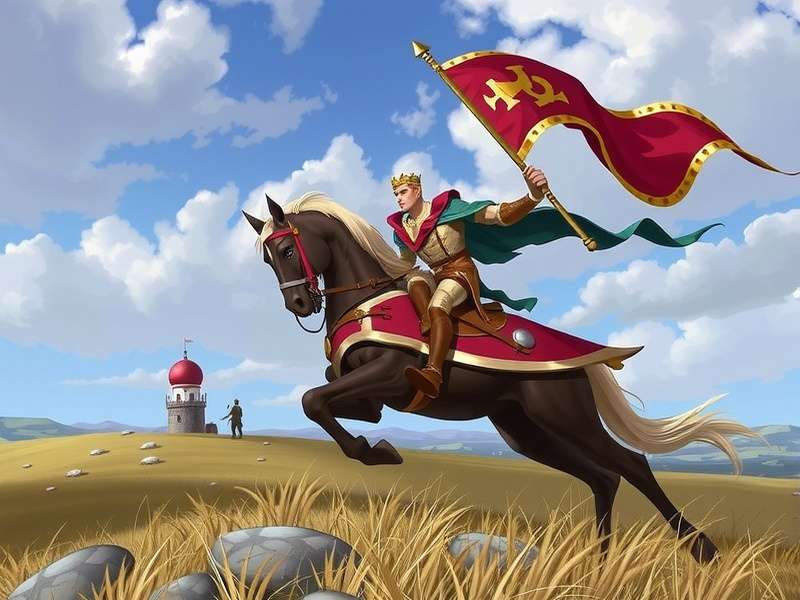
Lore & Historical Context in Royal Lancer Conqueror
Royal Lancer Conqueror is more than just a game—it’s a love letter to India’s rich military history and mythological heritage, drawing from thousands of years of Indian storytelling traditions including the Vedas, Upanishads, Mahabharata, Ramayana, Puranas, and regional folk tales, as well as historical records from the Mauryan, Gupta, Chola, Vijayanagara, Mughal, Maratha, and Rajput eras. The game’s lore was developed in collaboration with 30 leading Indian historians, military experts, mythologists, and cultural scholars to ensure authenticity while allowing for creative reinterpretation that appeals to modern gamers.
Game World Lore 🏛️ (Bharatvarsha - A Reimagined Pre-Colonial India)
The game is set in Bharatvarsha—a fictional reimagining of pre-colonial India that combines historical elements from the 16th to 19th centuries with mythological settings from the Puranas. Bharatvarsha is divided into nine regions (corresponding to the game’s open-world regions), each ruled by a regional king or queen who owes nominal allegiance to the weak central "Emperor of Hindustan" in Delhi. The game is set during a time of great turmoil: the central empire is collapsing, regional kingdoms are fighting each other, foreign invaders threaten the northern borders, and European trading companies are beginning to establish footholds on the coasts.
According to Royal Lancer Conqueror’s lore, the Royal Lancer unit was originally founded by the legendary emperor Ashoka the Great to protect the unity of India and uphold dharma (righteous governance). The unit was disbanded during the decline of the Gupta Empire but is reestablished by the protagonist to unite India against external and internal threats. The game’s backstory draws from the historical concept of "Akhand Bharat" (Undivided India) and the idea of a unified Indian identity that transcends regional, religious, and cultural differences—a concept that resonates strongly with modern Indian nationalism while acknowledging the country’s diverse regional identities.
The player’s journey as the Royal Lancer Commander is a quest to revive the ancient ideal of a unified India while respecting the country’s diverse regional traditions—a balance that reflects the modern Indian concept of "unity in diversity" (Ek Bharat Shreshtha Bharat). This narrative arc mirrors India’s historical journey from a collection of fragmented kingdoms to a unified nation-state, making the game’s story deeply meaningful for Indian players who learn about this history in school and experience its legacy in their daily lives.
Historical Influences (From Ancient to Pre-Colonial)
Royal Lancer Conqueror weaves together elements from every major period of Indian military history, creating a cohesive lore that honors India’s diverse martial heritage while making it accessible to modern gamers:
1. Ancient Indian Influences (The Foundation of the Lore)
The game’s core mechanics draw heavily from ancient Indian military treatises like the Arthashastra (by Chanakya), the Kautiliya’s Rajneeti, and the Manusmriti, with a focus on statecraft, diplomacy, and military strategy. The game’s kingdom management system is based on the administrative practices described in the Arthashastra, including land revenue systems, spy networks, and alliance-building strategies. The game’s combat system also draws from ancient Indian military tactics described in the Mahabharata and Ramayana, including chariot warfare, elephant units, and archery formations.
The ancient Indian influence is also evident in the game’s moral framework: the protagonist’s choices are guided by the ancient Indian ideals of dharma (righteous governance), artha (prosperity), kama (cultural flourishing), and moksha (liberation from conflict)—the four purusharthas (goals of statecraft) in Hindu political philosophy. Players who make choices aligned with these ideals are rewarded with "Dharma Points," which can be used to unlock special abilities and diplomatic options that reflect ancient Indian statecraft.
2. Medieval Indian Influences (The Core of the Game’s Setting)
The game’s setting and main storyline draw primarily from medieval Indian history (1200-1800 CE), a period of great military innovation and political fragmentation in India. The game features accurate representations of medieval Indian weapons, armor, and military tactics, from the Rajput talwar (sword) and Maratha pata (gauntlet sword) to the Mughal matchlock and Tipu Sultan’s rockets. The game’s unit types are based on historical Indian military units, including the Rajput lancers, Maratha irregulars, Sikh akalis, and Mughal artillery corps.
The game also explores the complex religious and cultural dynamics of medieval India, including the coexistence and occasional conflict between Hindu, Muslim, Sikh, Buddhist, and Jain communities. Unlike many Western games that portray medieval India as a simple conflict between Hindus and Muslims, Royal Lancer Conqueror portrays the period’s complex reality—where alliances and conflicts were based on political expediency rather than religious identity, and where many rulers (like Akbar and Shivaji) promoted religious tolerance and cultural integration.
3. Pre-Colonial Influences (The Game’s Cautionary Narrative)
The game’s later quests and endgame content draw from India’s pre-colonial period (1700-1857 CE), a time when European powers began to establish colonial rule in India by exploiting divisions between regional kingdoms. The game’s inclusion of British,